If you drive your personal vehicle for work errands, client visits, or deliveries, you deserve fair compensation for the wear and tear it causes. Many employees quietly absorb costs like fuel, maintenance, and repairs without realizing their employer should be covering a share of those expenses. Understanding how commute and mileage reimbursement works can save you thousands of dollars a year and protect your vehicle from being run into the ground. This guide breaks down what fair reimbursement looks like and how to keep your vehicle in shape while you earn it.
Understanding What Counts as a Reimbursable Trip
Not every mile you drive qualifies for reimbursement, and knowing the difference matters when you file expense reports. Your regular commute from home to your primary workplace typically does not count, but trips between job sites, client meetings, or errands run during the workday usually do. Employers vary widely in their policies, so it pays to read your company handbook closely before assuming a drive is covered.
- Driving from home to a temporary job site beyond your normal commute distance
- Running errands for supplies or equipment during work hours
- Traveling between multiple client locations in a single day
- Attending off-site meetings or training sessions in your own car
Comparing Mileage Rates and Fixed Vehicle Allowances

Companies generally choose between a per-mile reimbursement rate or a flat monthly vehicle allowance, and each approach affects your wallet differently depending on how much you drive. A per-mile rate tracks closely with actual usage, which benefits employees who drive frequently for work. A flat allowance can work in your favor if you drive less but still want predictable monthly income to offset ownership costs like insurance and depreciation.
It helps to calculate your actual annual driving costs, including fuel, insurance, and upkeep, then compare that figure against what your employer offers. If the numbers do not line up, it may be worth requesting a review of your reimbursement plan or proposing a switch to a different structure that better reflects your driving patterns.
Tracking Mileage Accurately for Reimbursement Claims
Accurate mileage tracking is the foundation of any reimbursement claim, and sloppy records are the fastest way to get a claim denied or underpaid. A simple mileage app that logs GPS-based trips automatically removes the guesswork and creates a timestamped record you can defend if questioned. Manual logs work too, but they require discipline and consistency to hold up during an audit.
- Use a dedicated mileage tracking app rather than relying on memory
- Record the purpose of each trip, not just the distance
- Save receipts for tolls, parking, and fuel purchases tied to work travel
- Reconcile your log weekly instead of waiting until month end
Budgeting for Routine Maintenance and Unexpected Repairs
Frequent work driving accelerates wear on brakes, tires, and fluids, so building a maintenance budget separate from your personal driving costs is smart planning. A vehicle used for regular client visits or deliveries might need oil changes every 3,000-5,000 miles instead of the standard 7,500, and brake pads that would normally last 50,000 miles may wear out in half that time under stop-and-go commercial use. Tracking mileage by purpose, business versus personal, makes it easier to estimate how much of that wear-and-tear cost the company should reasonably absorb.
Even with reimbursement, out-of-pocket surprises happen, and setting aside a small reserve each month cushions the blow. A practical starting point is allocating 3-5% of the mileage reimbursement paid to an employee toward a maintenance contingency fund, adjusting upward for older vehicles or harsher driving conditions like unpaved roads or extreme climates. Some companies also set a per-incident reimbursement cap, say $150-$300, for repairs directly attributable to business use, which keeps costs predictable while still supporting employees.
This is especially true for vehicles that rack up high mileage quickly, since routine service intervals arrive sooner than expected. A car driven 25,000 business miles a year will hit multiple service milestones, tire rotations, transmission checks, timing belt inspections, well ahead of a typical personal-use vehicle. Building these predictable intervals into your budget, rather than reacting to them as surprises, helps both the company and employees avoid financial strain when a repair bill lands unexpectedly.
Routine maintenance is predictable, but repair costs from fender benders, hail damage, or wear-and-tear rarely are. Building a separate line item in your budget for these unexpected repairs—rather than lumping them in with mileage reimbursements or lease payments—makes it easier to track spending trends over time and spot which vehicles are becoming money pits.
When a covered vehicle needs bodywork after a minor incident, getting quotes from at least two or three local auto body shops in your area can help you compare pricing and turnaround times before committing. Ask each shop for a written estimate that breaks down parts, labor, and paint costs, since verbal quotes can shift once work begins.
Shopping around for local auto body shops also gives you leverage to negotiate, since many local auto body shops will match or beat a competitor’s estimate to earn your business. It’s also worth asking about warranties on repairs and whether they use OEM or aftermarket parts, as this affects both cost and long-term vehicle value.
Finally, set a threshold—say, repairs exceeding $1,500 or 25% of the vehicle’s value—that triggers a review of whether continued reimbursement makes more sense than replacement.
Handling Collision Damage on a Work Vehicle
Accidents happen even to careful drivers, and knowing your next steps after a collision keeps the reimbursement and repair process moving smoothly. Document the scene thoroughly, exchange insurance information, and notify your employer promptly if the vehicle is used for company business. Choosing a shop that specializes in collision repair services ensures your vehicle is restored to proper structural and cosmetic standards rather than patched together temporarily.
For employees who drive brand-specific vehicles, finding a shop experienced with your make matters. Someone driving a Volvo for work, for example, should look specifically for volvo car repair shops that understand the model’s safety systems and parts sourcing, since generic shops may not have access to the right components or diagnostic tools.
Choosing the Right Shop for Vehicle-Specific Repairs
Different vehicle brands and body styles require different expertise, and picking the wrong shop can lead to delays or subpar work. Luxury and performance vehicles, like those needing audi repair, often require specialized diagnostic equipment and factory-trained technicians who understand the electrical and mechanical systems unique to the brand. Asking a shop directly about their brand certifications before dropping off your car saves time and frustration.
- Ask if technicians hold manufacturer-specific certifications
- Confirm the shop uses OEM parts when required by your warranty
- Check online reviews specifically for your vehicle brand or model
- Request a written estimate before authorizing any work
Addressing Cosmetic Damage Without Breaking the Budget
Not every repair needs to be a major overhaul, and minor cosmetic issues are often more affordable to fix than employees assume. A small dent from a shopping cart or parking lot mishap can usually be resolved through auto dent repair, which uses techniques like paintless dent removal to restore the panel without a full repaint. This approach is faster and cheaper than traditional bodywork when the paint surface remains intact, often costing between $75 and $150 for a single small dent compared to several hundred dollars for conventional bodywork.
Encouraging employees to get a quote before assuming a vehicle needs extensive repairs can save the company significant reimbursement dollars. Many mobile auto dent repair services will even come directly to the workplace, minimizing downtime and eliminating the need for the employee to take time off to visit a shop.
It’s also worth setting clear guidelines on what qualifies as reimbursable cosmetic damage versus routine wear and tear. For example, minor door dings, small hail dents, or scuffed bumpers might fall under a modest repair allowance, while faded paint or age-related wear typically should not. Establishing a simple approval process — such as requiring photos and a repair estimate before work begins — helps keep spending predictable and ensures the company isn’t covering cosmetic issues unrelated to business use.
Windshield chips and cracks are another common issue for employees who drive frequently, especially on highways where road debris is common. A single pebble kicked up by a passing truck can leave a chip the size of a coin, and if it’s left untreated, temperature swings and road vibration can turn that chip into a crack spanning the entire windshield within days.
Auto glass services can often repair small chips in under an hour, preventing them from spreading into a full crack that requires total windshield replacement. Most repairs cost between $50 and $150, compared to $250 to $400 or more for a full replacement, making early intervention an easy budget win. Many providers also offer mobile service, sending a technician directly to the employee’s home or office so the vehicle doesn’t need to be pulled out of commission for a shop visit.
Addressing these small issues quickly typically costs far less than waiting until the damage worsens. Employers can encourage this by including a simple guideline in their reimbursement policy: any chip smaller than a quarter should be reported and repaired within a set window, such as five business days. Some companies also work with a preferred auto glass vendor to secure discounted rates or waived deductibles, further reducing the cost of staying ahead of the damage.
Repairing Trucks and Larger Work Vehicles
Employees who drive trucks or heavy-duty vehicles for work face a different set of maintenance concerns than those driving standard sedans. Diesel engines, for instance, require specialized knowledge, and diesel truck repair often involves fuel system diagnostics and emissions component work that differs significantly from gasoline engine service. Finding a shop with diesel-specific experience prevents costly misdiagnoses.
Some employees also modify their trucks for work-related hauling or off-road access, and those modifications can affect reimbursement eligibility or insurance coverage. Installing jeep lifts kits or similar suspension upgrades might improve utility for certain job functions, but it is worth checking with your employer and insurer beforehand to confirm the modification does not void coverage or complicate future repair claims.
Maintaining Recreational and Specialty Vehicles Used for Work
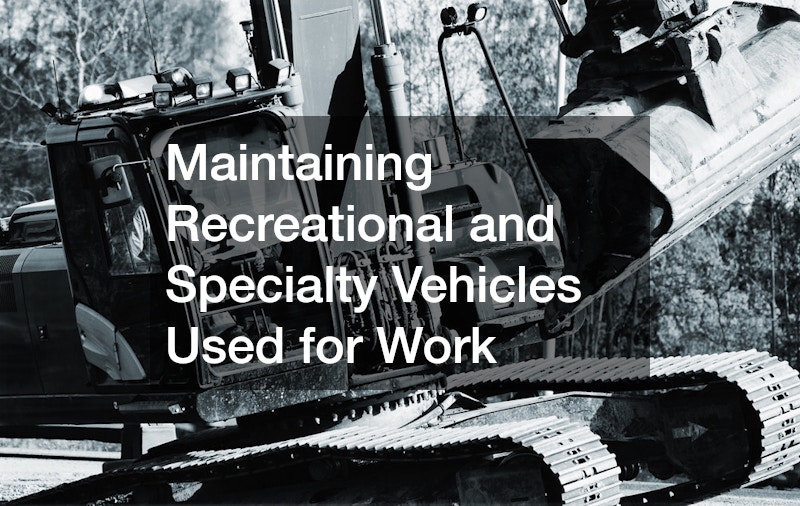
Some jobs, particularly in trades, real estate, or hospitality management, occasionally involve using recreational vehicles or trailers for business purposes. If your role involves an RV for site visits, off-site demonstrations, or mobile operations, understanding how RV collision repairs are handled becomes important, since these vehicles often require specialized facilities equipped to handle their larger frames and unique materials. Not every auto shop has the bay size, lift capacity, or trained technicians to properly assess and restore an RV after an incident, when you may need RV collision repairs.
Reimbursement policies should account for this reality upfront rather than treating an RV like a standard company car. A fender bender in a sedan might cost a few hundred dollars and take a day to fix, but collision repairs on a motorhome or travel trailer can easily run into the thousands and take weeks, especially if fiberglass panels, custom cabinetry, or slide-out mechanisms are involved. Employers should build these longer timelines and higher costs into their expense policies rather than assuming standard turnaround expectations will apply.
Before agreeing to use a personal RV, boat trailer, or other specialty vehicle for work tasks, clarify with your employer how damage claims will be processed and reimbursed. Getting this in writing prevents disputes later if the vehicle needs extensive collision repairs or mechanical attention after a work-related incident.
Spell out the specifics rather than relying on a verbal understanding. Address who pays the insurance deductible, whether the company covers diminished resale value after a major repair, and what documentation (photos, repair estimates, police reports) is required to file a claim. Also clarify turnaround expectations — some collision repairs on specialty vehicles can take weeks due to parts availability, so agree on whether the employer provides a rental or loaner during that downtime.
It’s also worth setting a dollar threshold for what counts as routine wear versus a reimbursable incident. For example, minor scrapes from tight job-site parking might fall under the employee’s responsibility, while damage from an accident caused on a work errand should clearly trigger the employer’s reimbursement process. Having these thresholds defined upfront keeps both parties accountable and avoids awkward negotiations after the fact.
Managing employee commute expenses and vehicle reimbursement takes a mix of careful record-keeping, informed budgeting, and knowing where to turn when repairs are needed. Take time to review your employer’s policy, track your mileage diligently, and build relationships with trustworthy repair shops before you need them urgently. Doing this groundwork now means you will be prepared, both financially and logistically, the next time your vehicle needs attention.